

Optimize Your Fleet with Top Business Fleet Management Tools
Managing a fleet of vehicles can be challenging. Whether you own a few cars or run a large business with dozens of trucks, keeping everything running smoothly is essential. I’ve learned that using the right business fleet management tools can make a huge difference. These tools help you save time, reduce costs, and keep your vehicles on the road longer. In this post, I’ll share practical tips and insights to help you optimize your fleet with top solutions.
Why Business Fleet Management Tools Matter
When you manage multiple vehicles, staying organized is key. Business fleet management tools help you do just that. They provide a clear overview of your fleet’s status, maintenance needs, and driver behavior. This means fewer surprises and more control over your operations.
For example, imagine you run a delivery service in Delaware and Pennsylvania. With the right tools, you can track each vehicle’s location in real-time, schedule maintenance before problems arise, and monitor fuel usage to cut costs. These tools turn chaos into order, making your job easier and your fleet more efficient.
Using business fleet management tools also improves safety. You can monitor driver habits like speeding or harsh braking and provide feedback to reduce accidents. This not only protects your drivers but also lowers insurance costs.

How to Choose the Best Business Fleet Management Tools
Choosing the right tools depends on your specific needs. Here are some key factors to consider:
Size of your fleet: Small fleets might need simple tracking and maintenance reminders. Larger fleets require more advanced features like route optimization and driver performance reports.
Type of vehicles: Different vehicles have different maintenance schedules and fuel needs. Make sure the tools you pick can handle your specific types.
Budget: Some tools come with monthly fees, while others are one-time purchases. Balance cost with the features you need.
Ease of use: Choose tools that are user-friendly. You want your team to adopt them quickly without confusion.
Integration: If you already use software for accounting or scheduling, look for tools that can integrate smoothly.
Once you know what you need, you can compare options and pick the best fit. Remember, the goal is to make your fleet management easier, not more complicated.
What is fleet management solution?
A fleet management solution is a system or software designed to help you manage your vehicles efficiently. It covers everything from vehicle tracking and maintenance scheduling to fuel management and driver safety monitoring.
These solutions collect data from your vehicles and drivers, then present it in easy-to-understand reports. This helps you make informed decisions, like when to service a truck or how to improve fuel efficiency.
For example, a fleet management solution might alert you when a vehicle’s oil needs changing or if a driver is consistently speeding. This proactive approach prevents breakdowns and accidents, saving you money and time.
Many solutions also offer GPS tracking, so you always know where your vehicles are. This is especially useful for businesses operating across multiple states like Delaware, Maryland, New Jersey, and Pennsylvania.

Practical Tips to Optimize Your Fleet
Optimizing your fleet is about more than just buying tools. It’s about using them effectively. Here are some actionable tips:
Schedule regular maintenance
Preventive maintenance keeps vehicles running longer and avoids costly repairs. Use your tools to set reminders for oil changes, tire rotations, and brake checks.
Monitor fuel consumption
Fuel is a major expense. Track fuel usage and identify vehicles or drivers that use more than average. Encourage fuel-efficient driving habits like smooth acceleration and avoiding idling.
Train your drivers
Safe and efficient driving reduces wear and tear. Use data from your fleet management tools to coach drivers on improving their habits.
Plan routes smartly
Use route optimization features to reduce mileage and delivery times. This saves fuel and improves customer satisfaction.
Keep accurate records
Document all maintenance, repairs, and inspections. This helps with budgeting and can be useful for resale value.
Use alerts and notifications
Set up alerts for critical issues like engine trouble or overdue maintenance. Quick action prevents bigger problems.
By following these tips, you’ll get the most out of your business fleet management tools and keep your vehicles in top shape.
Partnering for Reliable Fleet Maintenance
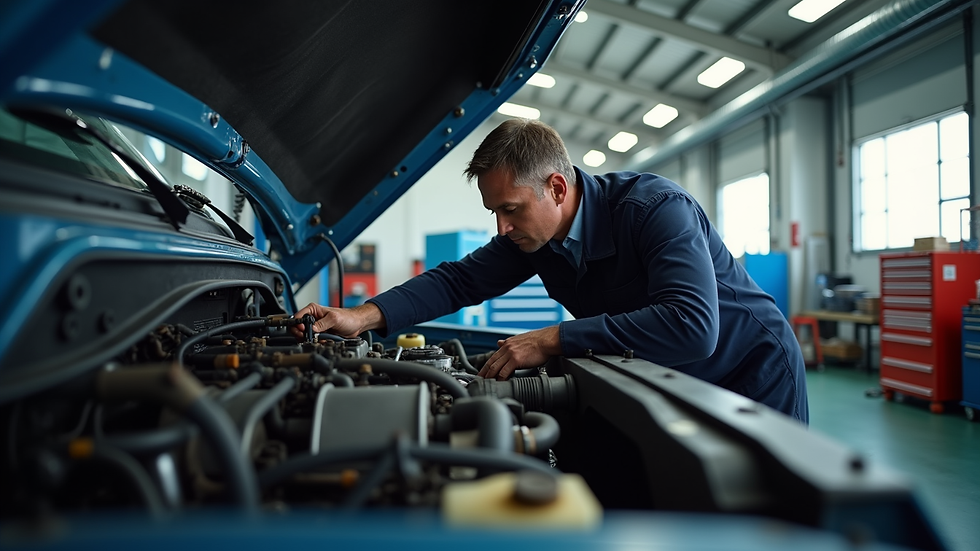
Keeping your fleet on the road requires more than just tools. You need a trusted partner for maintenance and repairs. A reliable auto and truck repair service can help you stay ahead of issues and minimize downtime.
Look for a service provider that understands the needs of both individual car owners and businesses with vehicle fleets. They should offer comprehensive maintenance, quick repairs, and honest advice. This partnership ensures your vehicles stay safe and efficient across Delaware, Maryland, New Jersey, and Pennsylvania.
When you combine the right business fleet management tools with expert maintenance, you create a system that works seamlessly. Your fleet stays reliable, your costs stay low, and your operations run smoothly.
Optimizing your fleet is a continuous process. By choosing the right tools, using them wisely, and partnering with trusted maintenance experts, you can keep your vehicles running efficiently and reliably. This approach saves you money, reduces stress, and helps your fleet perform at its best every day.
For more information on how to improve your fleet’s performance, explore fleet management solutions that fit your needs and budget.


Comments