

Understanding Fleet Maintenance Management Essentials: Your Guide to Fleet Upkeep Essentials
Managing a fleet of vehicles, whether for business or personal use, is no small task. Keeping each vehicle in top shape ensures safety, reliability, and cost efficiency. I’ve learned that understanding the core principles of fleet upkeep essentials can make all the difference. In this post, I’ll walk you through the key aspects of fleet maintenance management, share practical tips, and explain why staying on top of maintenance is crucial for every vehicle owner and fleet manager.
Why Fleet Upkeep Essentials Matter
Fleet upkeep essentials are the foundation of keeping your vehicles running smoothly. Regular maintenance prevents unexpected breakdowns, extends vehicle life, and saves money in the long run. When you manage a fleet, these benefits multiply because one vehicle out of service can disrupt your entire operation.
For example, imagine a delivery business with ten trucks. If just one truck breaks down due to poor maintenance, it can delay deliveries, frustrate customers, and increase costs. On the other hand, a well-maintained fleet runs efficiently, reduces downtime, and improves safety for drivers and the public.
By focusing on fleet upkeep essentials, you create a system that supports reliability and peace of mind. This means scheduling regular inspections, timely repairs, and keeping detailed records. It’s about being proactive rather than reactive.
Key Components of Fleet Upkeep Essentials
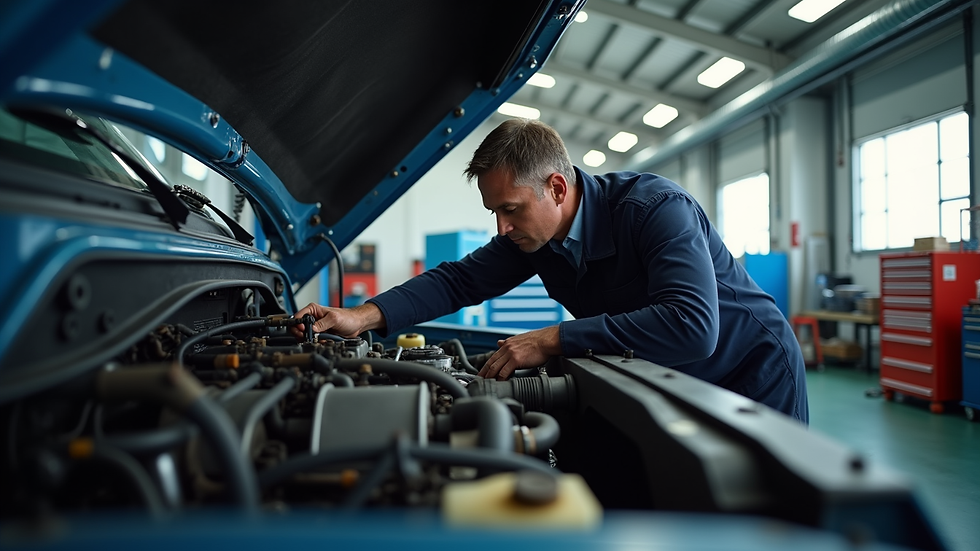
To master fleet upkeep essentials, you need to understand the main components involved. These include:
Regular Inspections: Checking brakes, tires, lights, and fluid levels frequently.
Scheduled Maintenance: Following manufacturer recommendations for oil changes, filter replacements, and other routine services.
Repairs: Addressing issues promptly before they escalate.
Record Keeping: Tracking maintenance history for each vehicle.
Driver Training: Educating drivers on proper vehicle use and reporting problems early.
Each component plays a vital role. For instance, regular inspections can catch small issues like worn brake pads before they become dangerous. Scheduled maintenance keeps engines running efficiently and reduces emissions. Keeping detailed records helps identify patterns and plan future maintenance budgets.
Driver training is often overlooked but is essential. Drivers who understand how to operate vehicles properly and report issues quickly help prevent costly repairs and accidents.
What Does Fleet Maintenance Include?
Fleet maintenance covers a wide range of tasks designed to keep vehicles safe and operational. Here’s a breakdown of what it typically includes:
Engine and Transmission Care: Regular oil changes, filter replacements, and transmission fluid checks.
Brake System Maintenance: Inspecting brake pads, discs, and fluid levels.
Tire Management: Monitoring tire pressure, tread depth, and rotation schedules.
Battery Checks: Testing battery health and replacing when necessary.
Lighting and Electrical Systems: Ensuring headlights, brake lights, and indicators work properly.
Cooling System: Checking coolant levels and radiator condition.
Suspension and Steering: Inspecting shocks, struts, and steering components.
Exhaust System: Monitoring for leaks or damage.
Safety Equipment: Verifying seat belts, airbags, and other safety features are functional.
Each of these areas requires attention at different intervals. For example, oil changes might be every 5,000 miles, while brake inspections could be every 10,000 miles. A good maintenance schedule tailored to your fleet’s usage is key.

How to Implement Effective Fleet Maintenance Management
Implementing effective fleet maintenance management doesn’t have to be complicated. Here’s a simple approach that works well:
Create a Maintenance Schedule: Use manufacturer guidelines and adjust based on vehicle usage.
Use Maintenance Software: Digital tools help track schedules, repairs, and costs.
Train Your Team: Make sure drivers and maintenance staff understand their roles.
Set a Budget: Plan for regular maintenance and unexpected repairs.
Monitor Performance: Review maintenance records and vehicle performance regularly.
Partner with Trusted Service Providers: Reliable mechanics and repair shops are invaluable.
By following these steps, you build a system that keeps your fleet in top condition. For example, using maintenance software can send automatic reminders when a vehicle is due for service. This reduces the risk of missed maintenance and costly breakdowns.
Training your team ensures everyone knows how to spot issues early. A driver who reports strange noises or warning lights can save you from expensive repairs later.
Why Understanding What is Fleet Maintenance Management Is Important
If you’re new to managing vehicles, you might wonder what is fleet maintenance management exactly. It’s the process of overseeing all maintenance activities for a group of vehicles to ensure they operate safely and efficiently. This includes planning, scheduling, performing, and tracking maintenance tasks.
Understanding this concept helps you make informed decisions about your fleet. It also highlights the importance of being proactive. Instead of waiting for a vehicle to break down, you anticipate problems and fix them early.
Good fleet maintenance management improves vehicle lifespan, reduces downtime, and controls costs. It also enhances safety, which is critical whether you’re driving a single car or managing dozens of trucks.
Tips for Individual Vehicle Owners and Small Fleets
Even if you only have one or two vehicles, applying fleet upkeep essentials can save you time and money. Here are some practical tips:
Keep a Maintenance Log: Write down every service, repair, and inspection.
Follow the Owner’s Manual: Stick to recommended service intervals.
Check Fluids Regularly: Oil, coolant, brake fluid, and windshield washer fluid.
Inspect Tires Monthly: Look for wear and maintain proper pressure.
Listen and Look for Issues: Strange sounds or warning lights should not be ignored.
Choose a Trusted Mechanic: Build a relationship with a reliable repair shop.
For small fleets, these tips scale up. You might assign one person to manage maintenance schedules and keep records. Regular communication with drivers about vehicle condition is also helpful.
The Role of Technology in Fleet Upkeep Essentials
Technology has transformed how we manage fleet maintenance. From simple spreadsheets to advanced fleet management software, tools help streamline the process.
Some benefits of using technology include:
Automated Reminders: Never miss a service appointment.
Real-Time Vehicle Monitoring: Track vehicle health and performance.
Data Analysis: Identify trends and optimize maintenance schedules.
Cost Tracking: Monitor expenses and budget more accurately.
For example, telematics devices can alert you to engine problems before they become serious. This allows you to schedule repairs at convenient times, avoiding emergency breakdowns.
Using technology doesn’t have to be expensive or complicated. Even basic apps can help individual owners and small fleets stay organized.
Building a Trusted Partnership for Fleet Maintenance
Finding a reliable partner for vehicle maintenance is crucial. Whether you own a single car or manage a large fleet, working with a trusted auto and truck repair shop ensures quality service and peace of mind.
Look for a partner who:
Understands your specific needs.
Offers transparent pricing.
Provides timely and thorough service.
Has experience with your type of vehicles.
Communicates clearly and honestly.
In regions like Delaware, Maryland, New Jersey, and Pennsylvania, having a local, dependable service provider can reduce downtime and keep your vehicles on the road longer.
Keeping Your Fleet on the Road Efficiently and Reliably
Mastering fleet upkeep essentials is about more than just fixing vehicles. It’s about creating a system that supports ongoing reliability and efficiency. By scheduling regular maintenance, training drivers, using technology, and partnering with trusted service providers, you protect your investment and ensure safety.
Whether you’re managing a single car or a fleet of trucks, these principles apply. Start with a clear maintenance plan, stay organized, and be proactive. Your vehicles will thank you with years of dependable service.
Remember, good fleet maintenance management is the key to keeping your vehicles running smoothly and your operations moving forward.


Comments